Sondra Olson
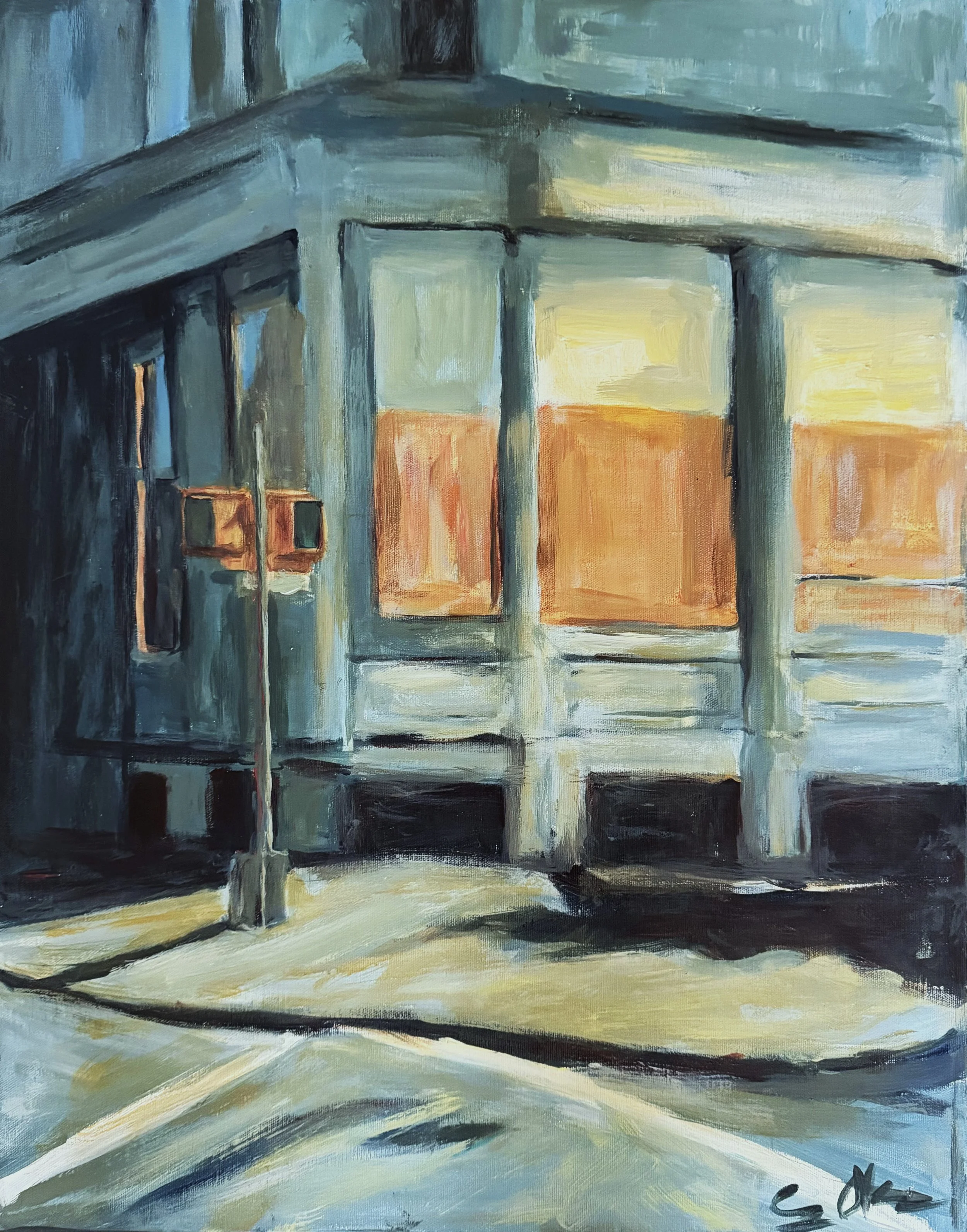
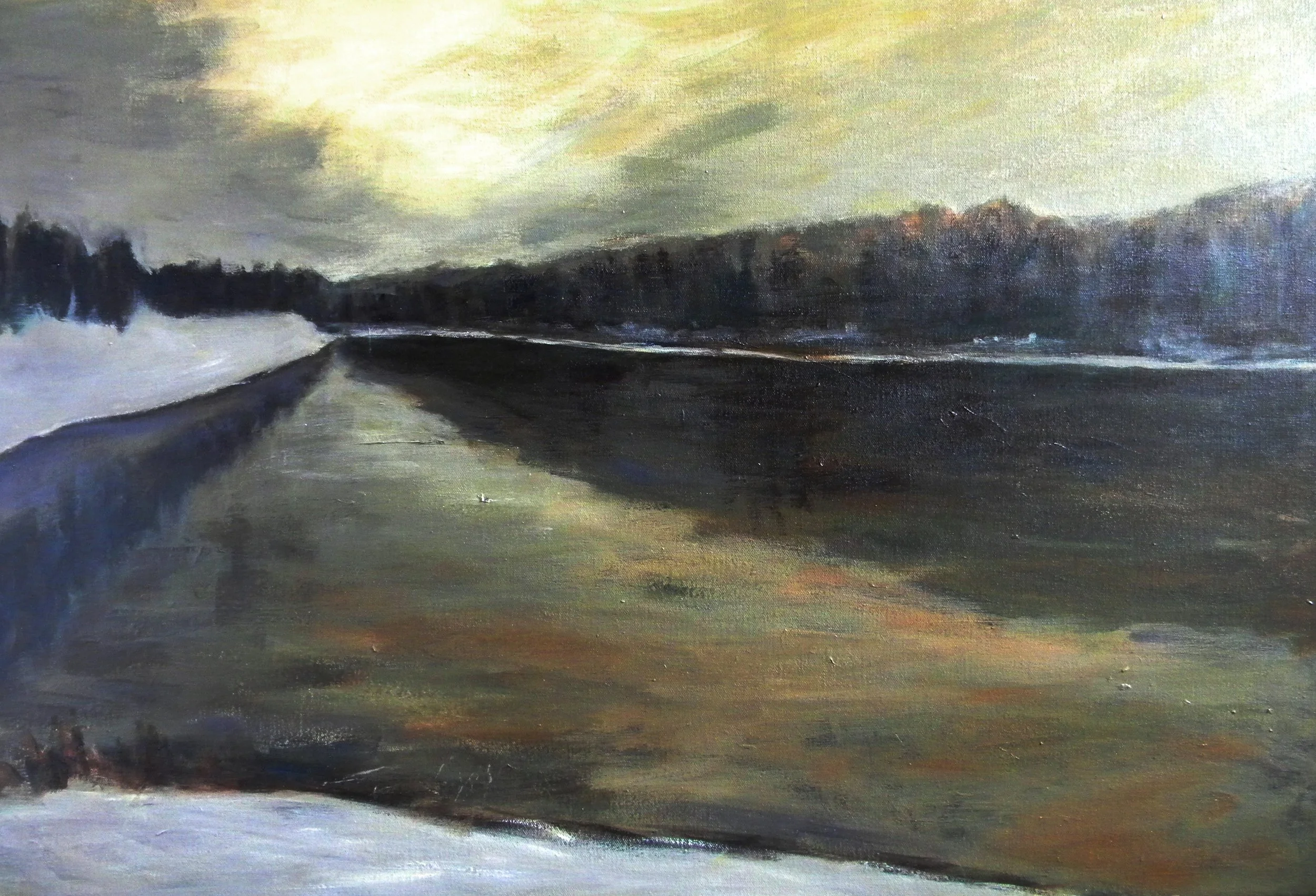
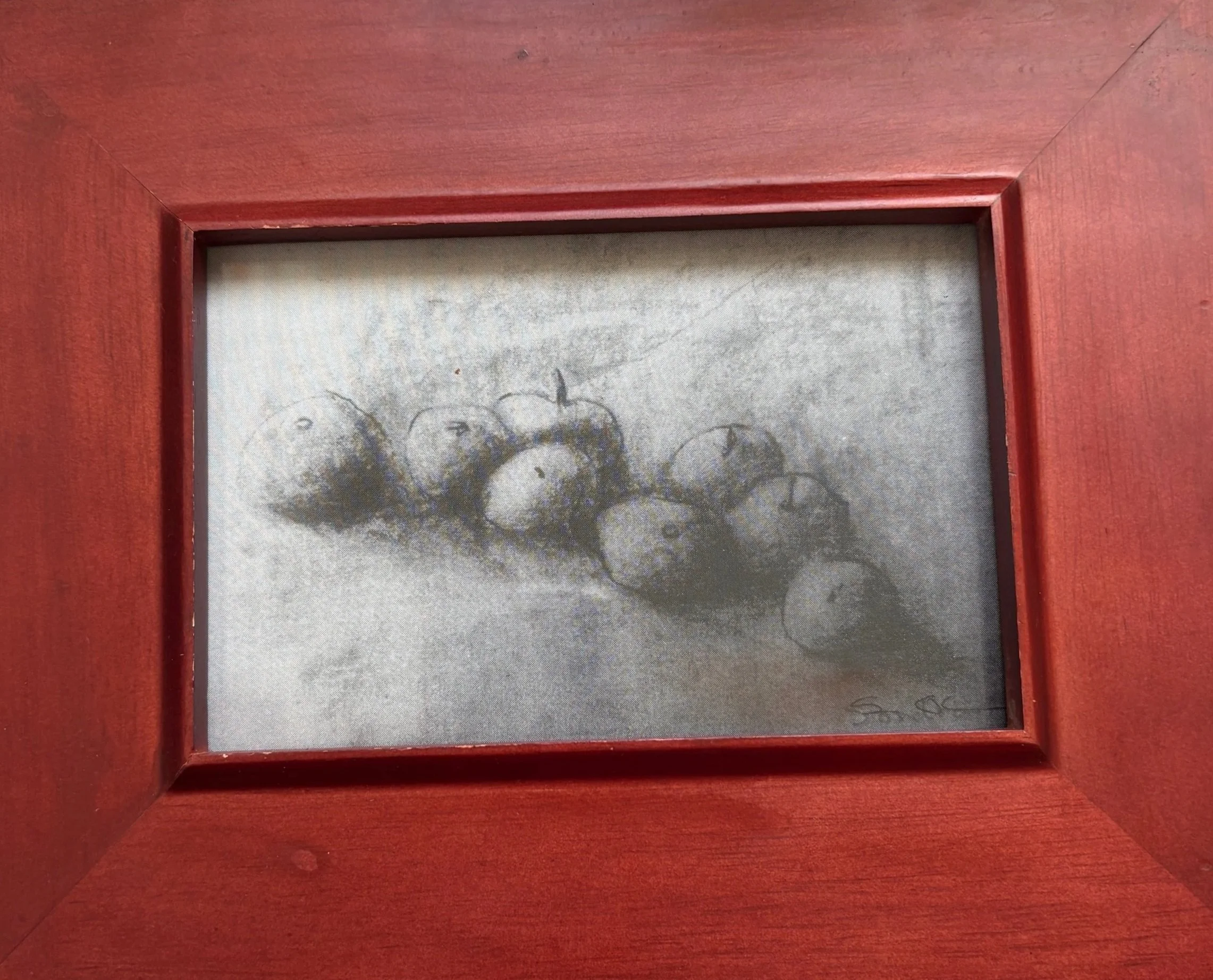
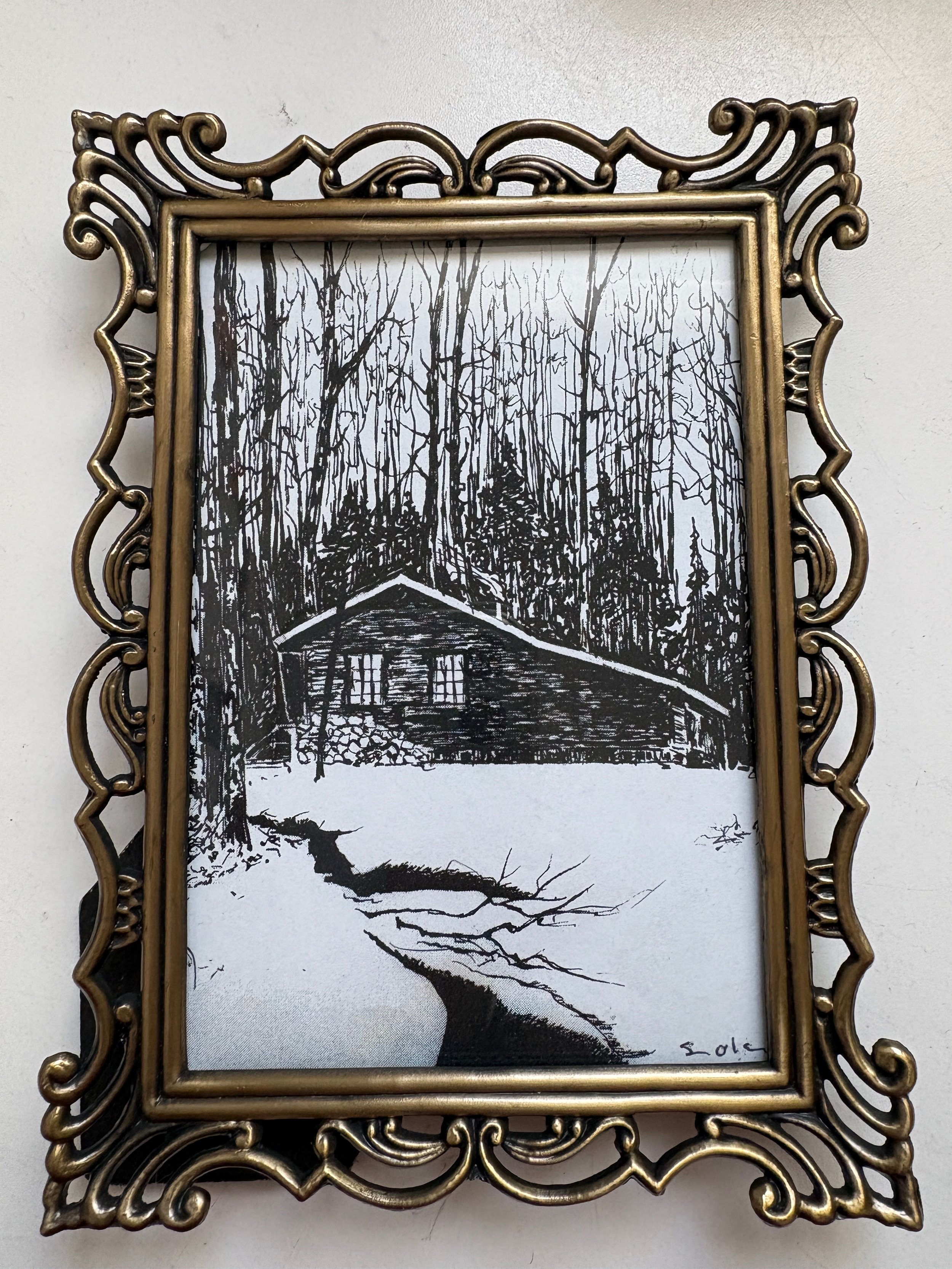
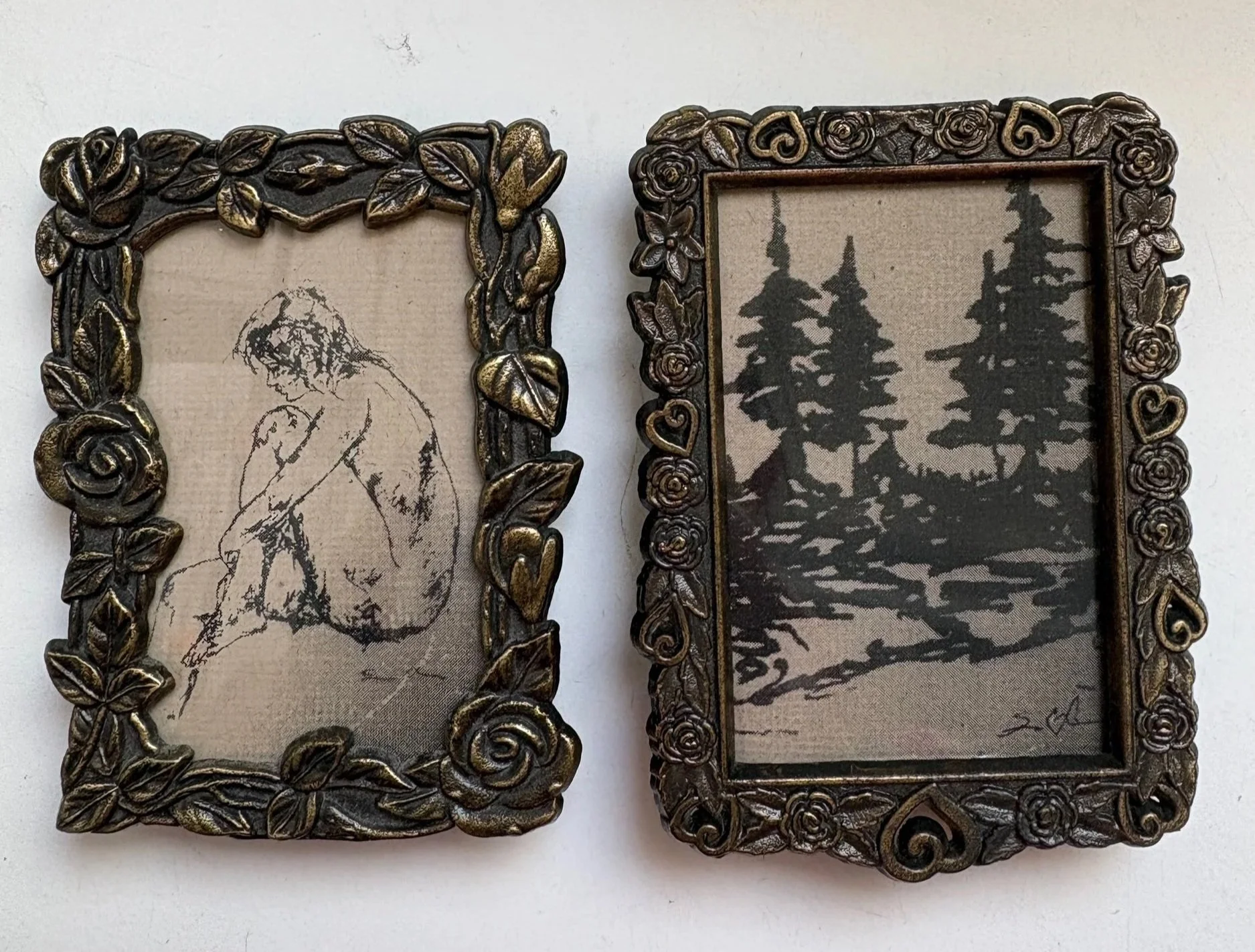
Graduate of the University of California Davis in the late 60’s, I was influenced by the lively art scene of that era. I took my inspiration as a painter, to Northern Minnesota, for fifteen years developing my artistic style and voice from the natural and remote landscape of woods and lake. Returning to California in 1988, I studied under sculptor Manual Neri and David Hallowell to hone my skills as a painter of landscape into areas of portraiture, still life and cityscapes. My clients are mostly individuals who have seen my work in public venues and bought or commissioned for their private collection.
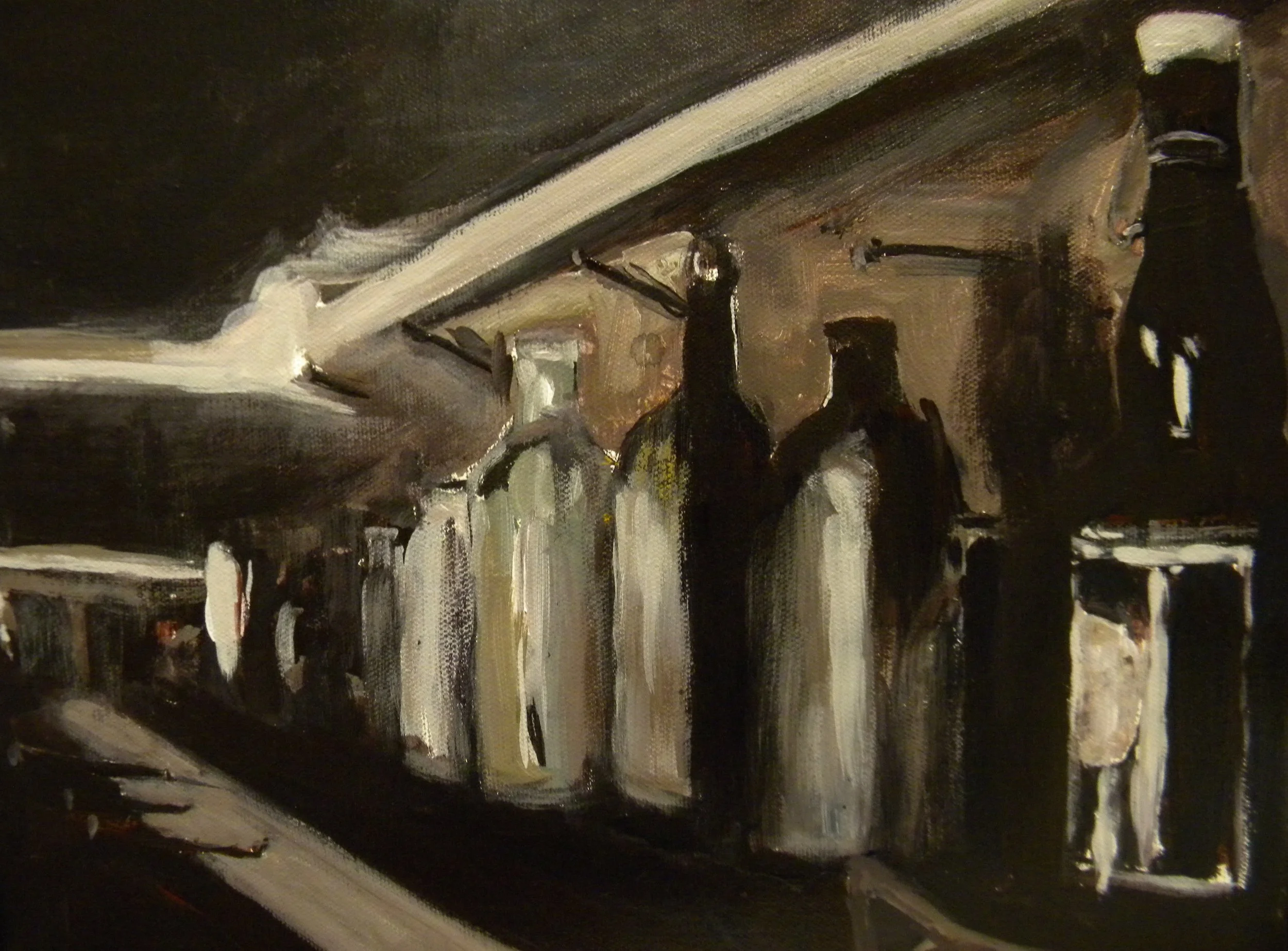
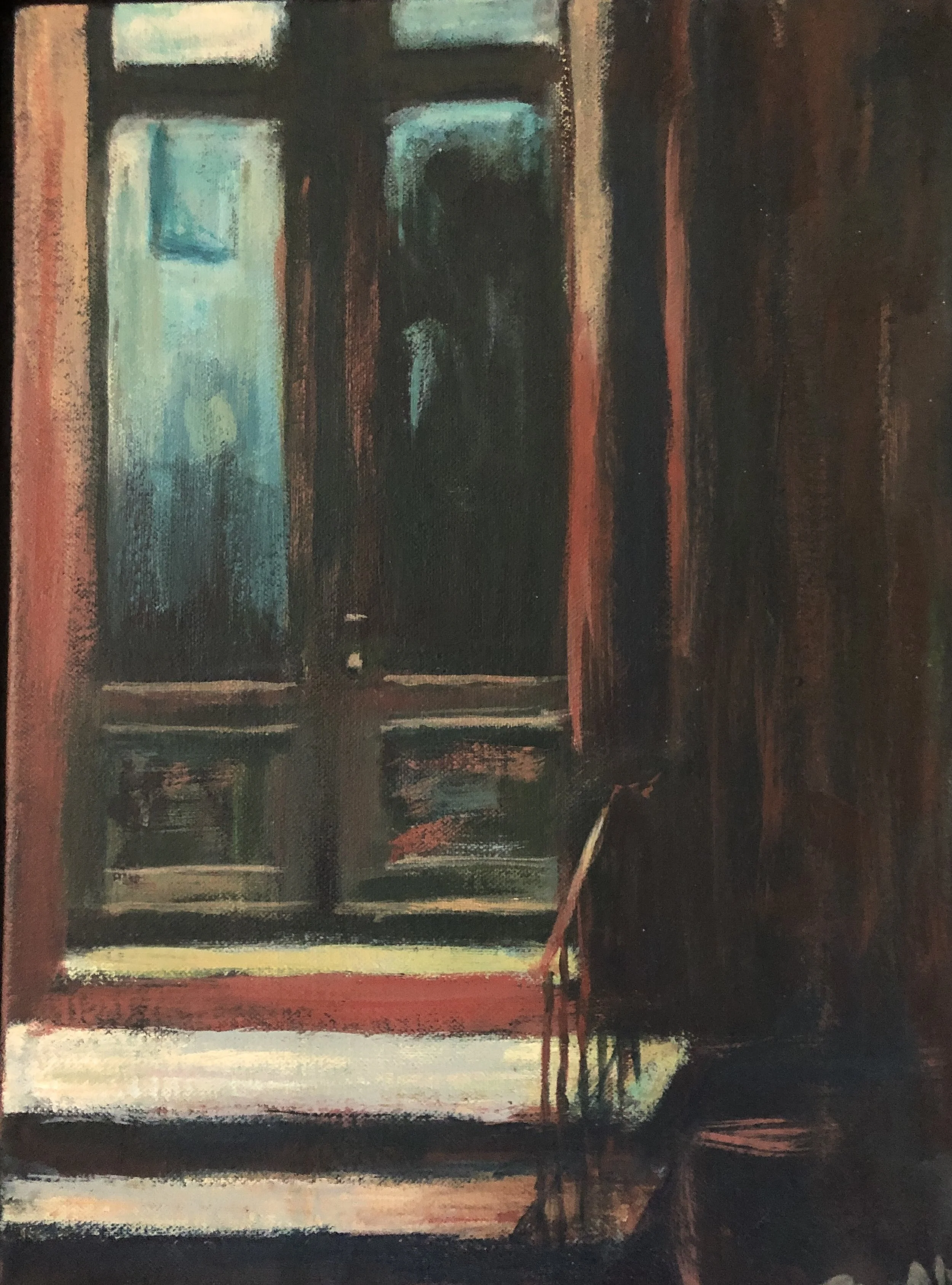
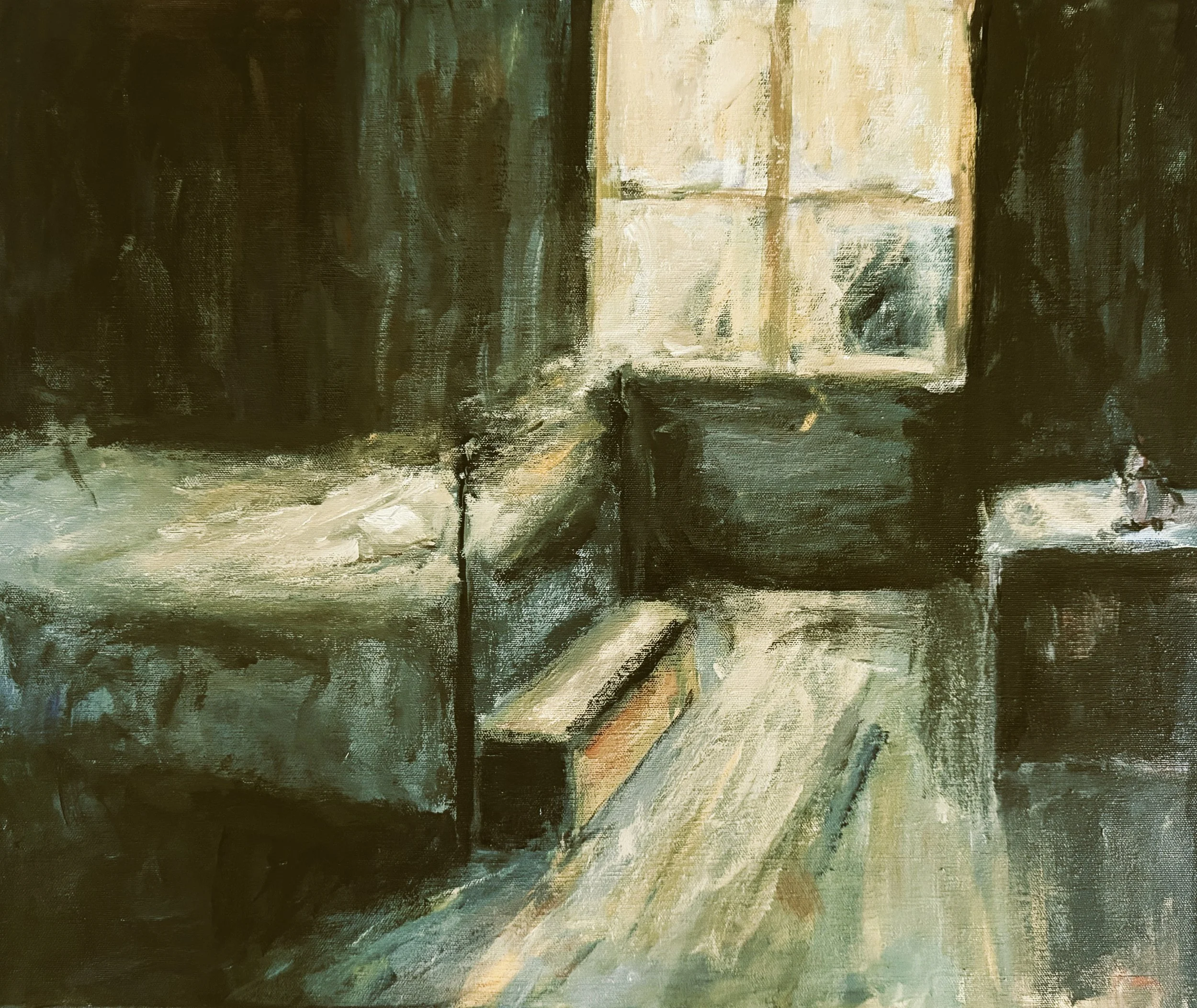
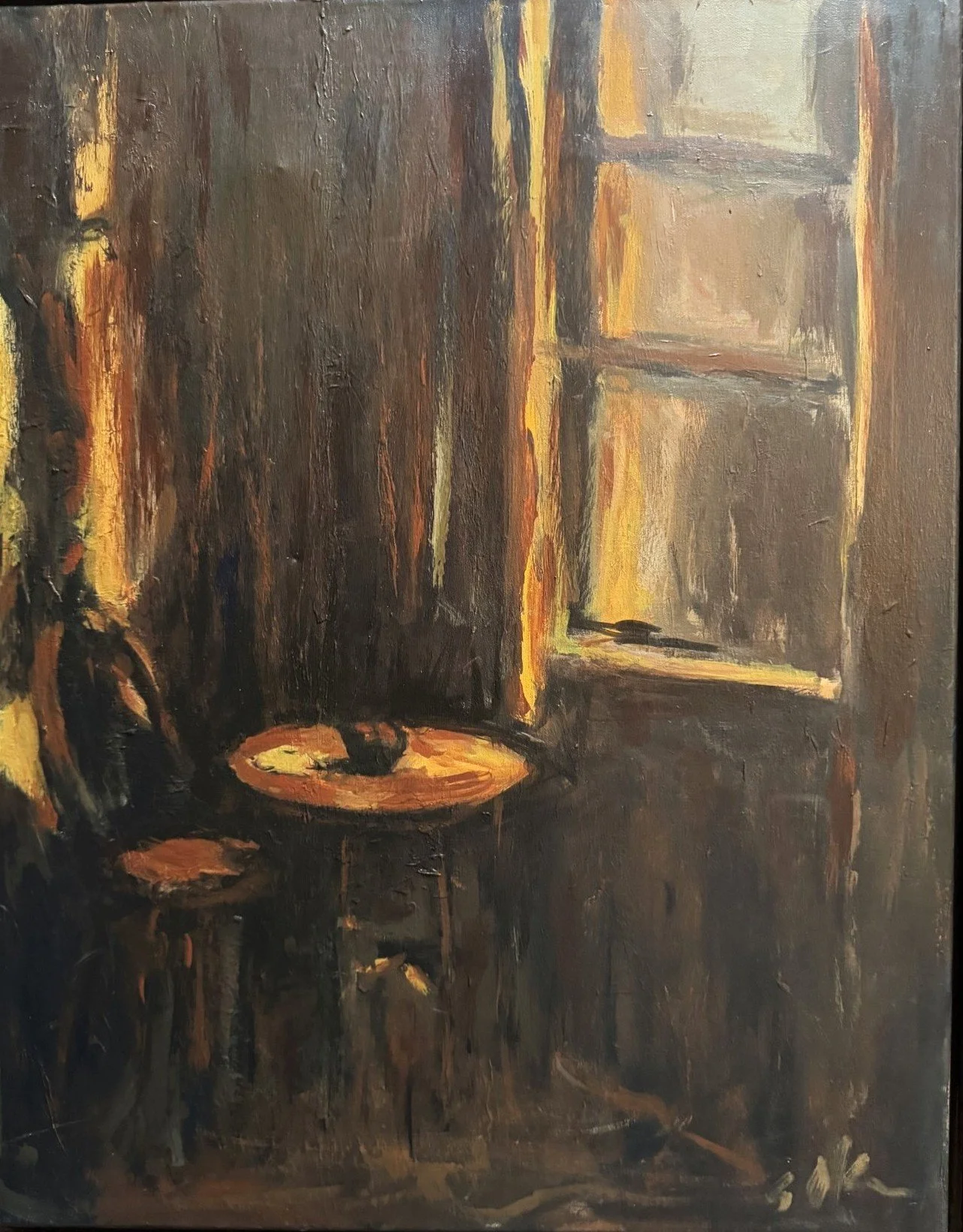
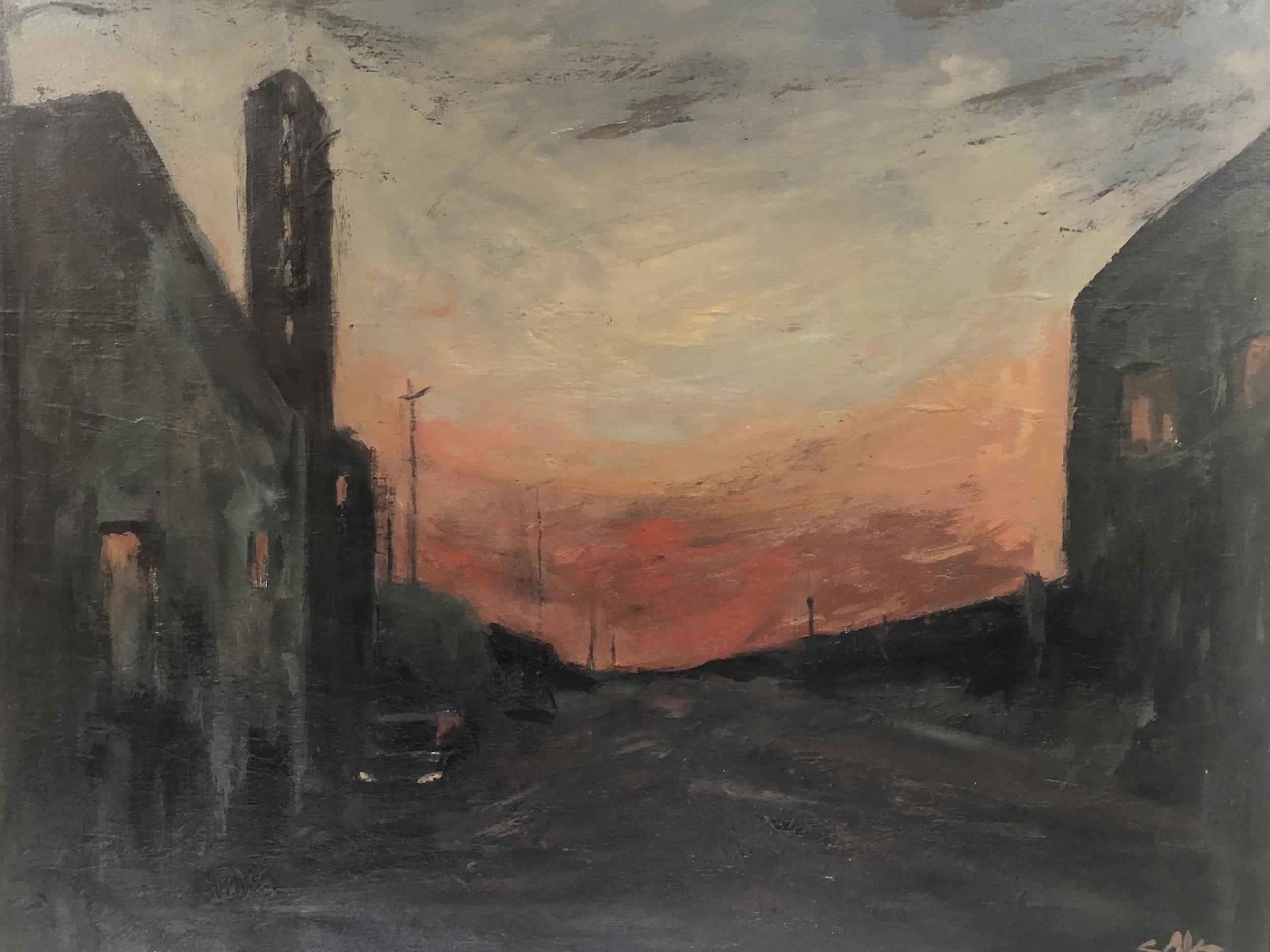
I have always been drawn to natural, subdued and sometimes darker colors of the earth. There is something quite lovely and joyous for me, making visible the slightest undertones of light, revealing nature’s mood and mystery. I have found that to truly know the light, one must take it into the dark to see what is revealed. I am haunted by changing shifts of mood I discover while painting in shadow where identity is blurred at the edges of light.
Painting, for me, is a deeply intuitive process, a way of seeing that is part conscious, part involuntary. I am drawn into those subtle realms where colors are muted, and subjects emerge without names. It is like visiting the delta in winter when the fog sets in, where images appear and disappear in the mist. The greatest pleasure for me as an artist is observing myself inadvertently getting “lost” within the work where intention gives way to mystery, as what is known at the beginning about a thing becomes less certain, more difficult to comprehend.
Like the Tonalist painters of the late 19th and 20th centuries, I am concerned primarily with work that evokes mood and mystery, and which engages the viewer in subtle and intimate ways. As an artist, I am drawn to places of solitude and mystery. What is important to me has more to do with the meaning that comes from a place, the memories
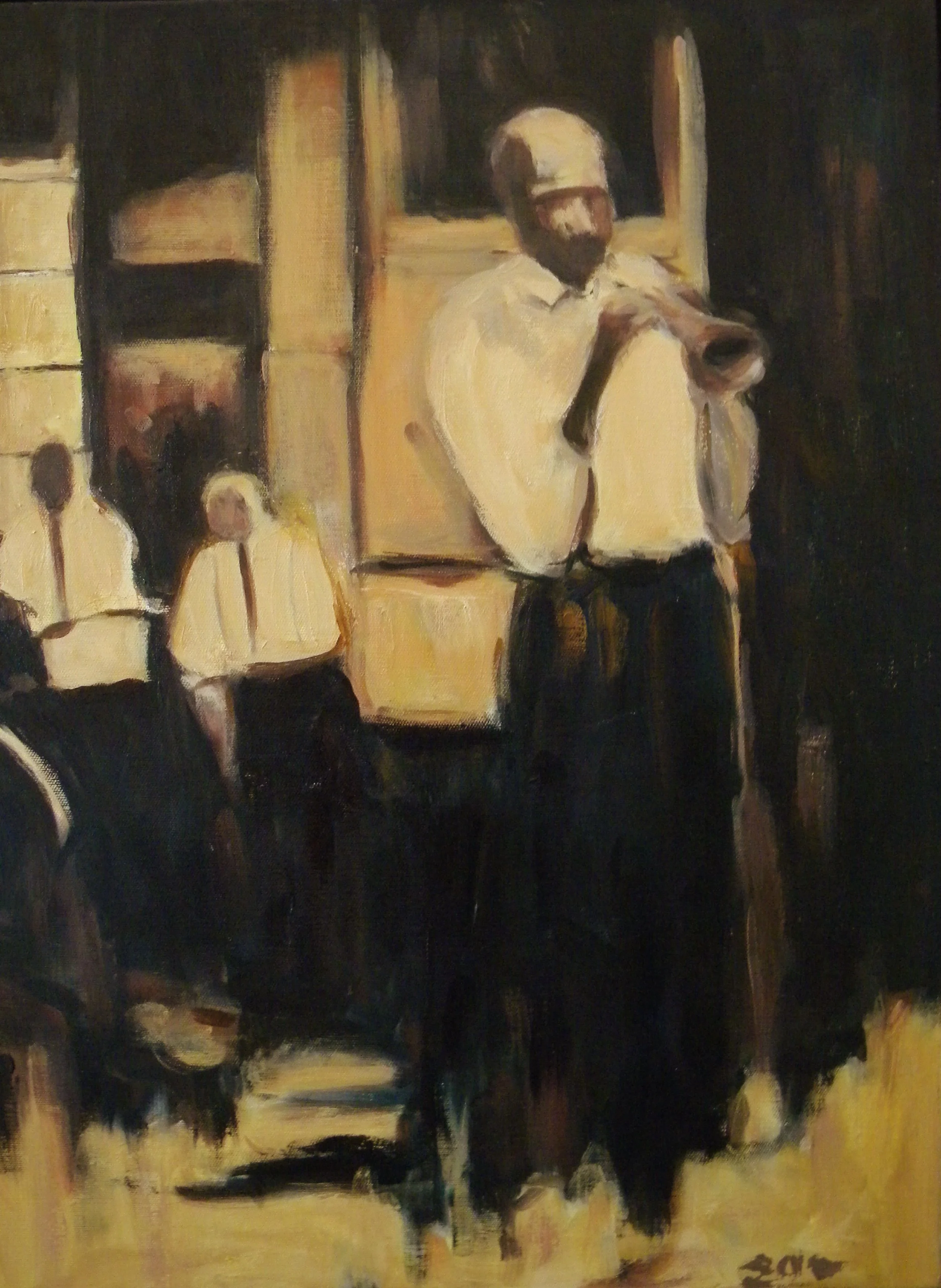
and wonder that place evokes, rather than the place itself. I prefer the viewer be drawn into a realm of discovery beyond location or identity, more personal than geography. Here, subjects become free from any original intent or idea I might have had.
I work with oil, acrylic, palette knife and brush, quickly composing in tonal relationships directly in a unified approach. There is, for me, that same sense of wonder a photographer must feel just at the point where eye and lens meet, and the question rises just as the shutter is released. So that what I set out to do in painting ends up quite differently, as if something is lost (and gained) in the play of all those elements.
My influences are the Barbizon painters of France (Camille Corot), the American tonalists of the late 19th and early 20th centuries: Whistler, Inness, and William Keith, Wayne Thiebeau and the photographers Eugene Meatyard and Brassai.